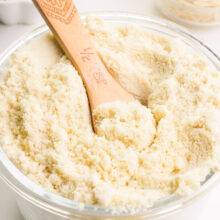
How to Make Almond Flour
Homemade almond flour is fresher, more affordable, and easier to make than you might think. All you need is a blender or food processor and a handful of blanched almonds — you'll have fine, bakeable flour ready in minutes. Use it in cookies, brownies, energy balls, and so much more.
Servings 4
Calories 206kcal
Equipment
Instructions
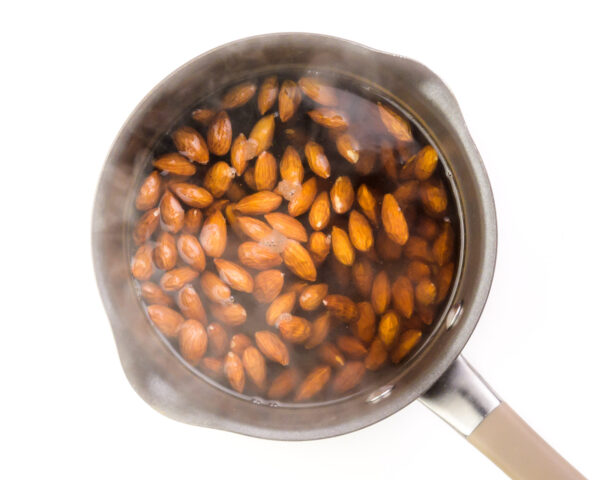
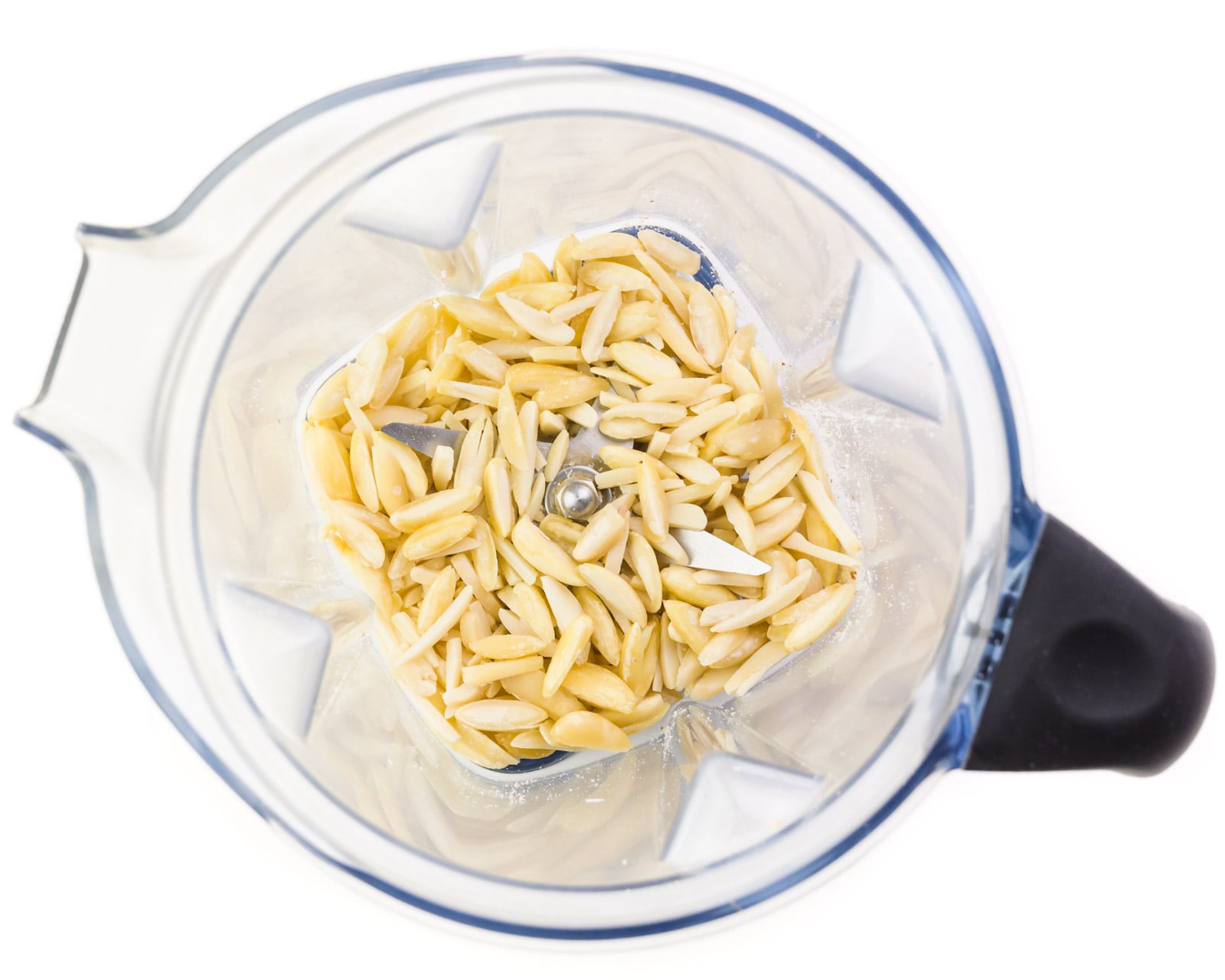
- Food Processor Method: Add almond slivers to a food processor and pulse in short bursts until the almonds are broken down into smaller bits. Use a rubber spatula to remove any almond bits on the side or bottom of the bowl. Repeat processing until a flour texture is achieved.
- Blender Method: Add almond slivers to a blender jar and pulse in short bursts until the almonds are broken down into smaller bits. Use a rubber spatula to remove any almond bits on the side or bottom of the jar. Repeat processing until a flour mixture is achieved.
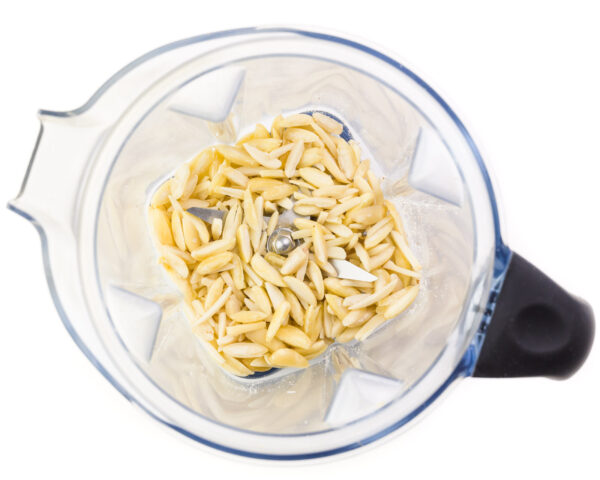
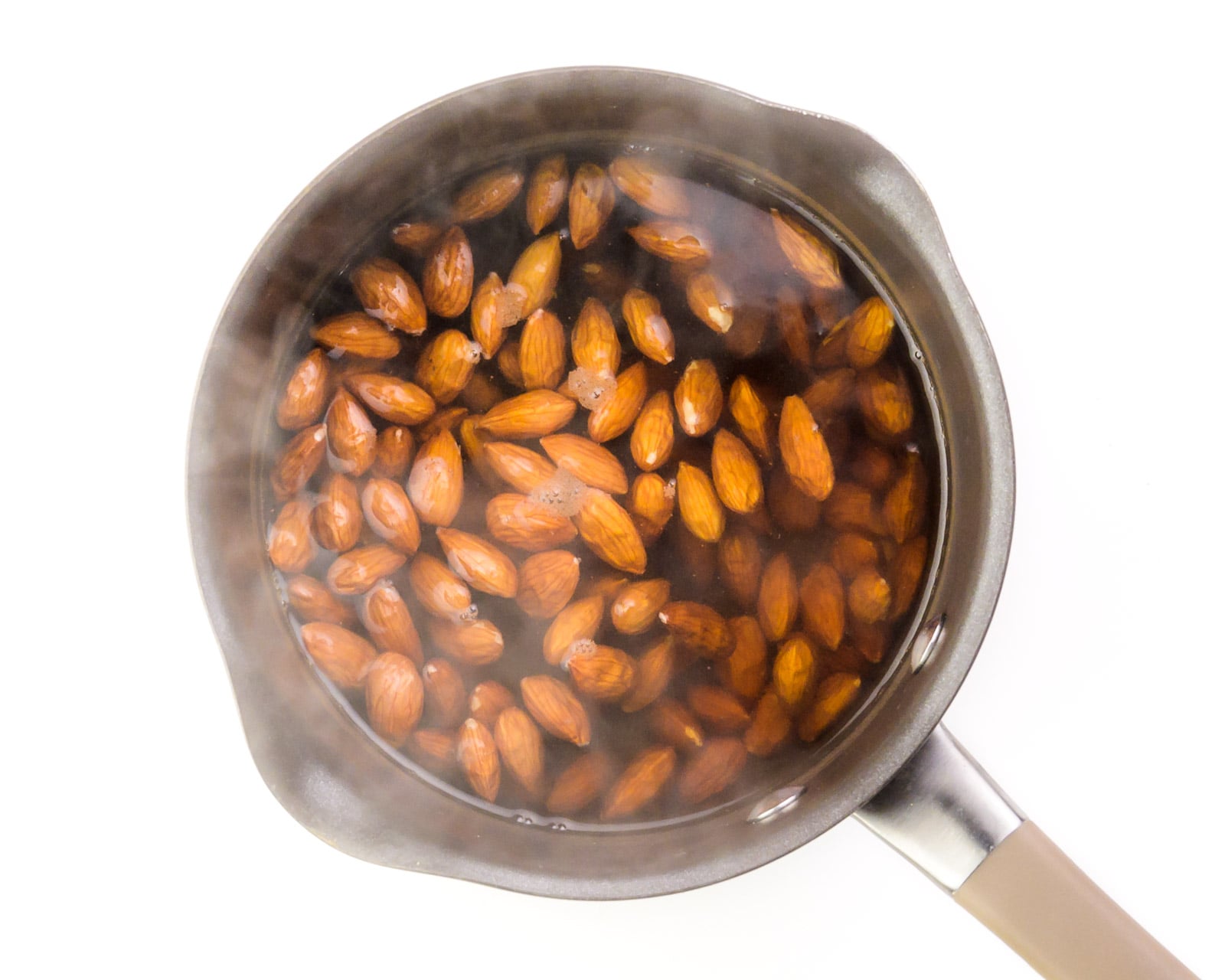
- To Blanch Almonds: If you prefer to blanch almonds at home, preheat your oven to its lowest settings, 200°F/93°C or lower. Then turn off the heat. Bring water to a boil in a medium saucepan. Add 1 cup of raw almonds and set a timer for one minute. Then remove from heat and drain almonds in a strainer. Set them aside until cool enough to handle. Press the almonds between two fingers, gently pushing until the almond separates from the peel. Transfer skinned almonds to a pan lined with parchment paper and place the pan in the oven (which is now warm, but not hot). Let them sit for 10 to 20 minutes to thoroughly dry out.
Video
Notes
Store it right: Homemade almond flour doesn't have preservatives, so refrigerate it in an airtight container for up to 6 months, or freeze for up to a year.
Don't over-process: Stop blending as soon as you reach a fine, even powder. Keep going and you'll end up with almond butter — which is delicious but not what we're after here.
Sift for best results: Run your finished flour through a fine mesh strainer to remove any larger pieces. This gives you a smoother texture in baked goods.
Almond slivers are the shortcut: If you can find them in the baking aisle, use them instead of whole raw almonds — they're already blanched and dried, so you skip the peeling step entirely.
Nutrition
Calories: 206kcal | Carbohydrates: 8g | Protein: 8g | Fat: 18g | Saturated Fat: 1g | Polyunsaturated Fat: 4g | Monounsaturated Fat: 11g | Trans Fat: 1g | Sodium: 1mg | Potassium: 252mg | Fiber: 4g | Sugar: 1g | Vitamin A: 1IU | Calcium: 94mg | Iron: 1mg
